
Financial Inclusion and Social Grant Delivery Systems
Project Title: Social Grant Payment Choice and Financial Inclusion Assessment
Client: Consultative Group to Assist the Poor (CGAP), World Bank Group
Implementation Partner: Genesis Analytics
Study Type: Impact-Oriented Assessment
Study Design & Methodology:
- Quantitative household survey using CAPI
- Qualitative research through Focus Group Discussions (FGDs) with beneficiaries
- Strict adherence to World Bank data protection and confidentiality standards
Sample & Coverage:
- Quantitative Survey Sample Size: 3,600 social grant beneficiaries
- Qualitative Component: 12 FGDs with women grant beneficiaries
- Geographic Coverage: Bangladesh | 8 divisions and 21 districts of Bangladesh
Key Focus Areas:
- Beneficiary experience with social grant payment systems
- Impact of provider choice on convenience, cost, safety, and control over finances
- Women’s financial autonomy and inclusion outcomes
- Barriers and risks associated with existing grant payment mechanisms
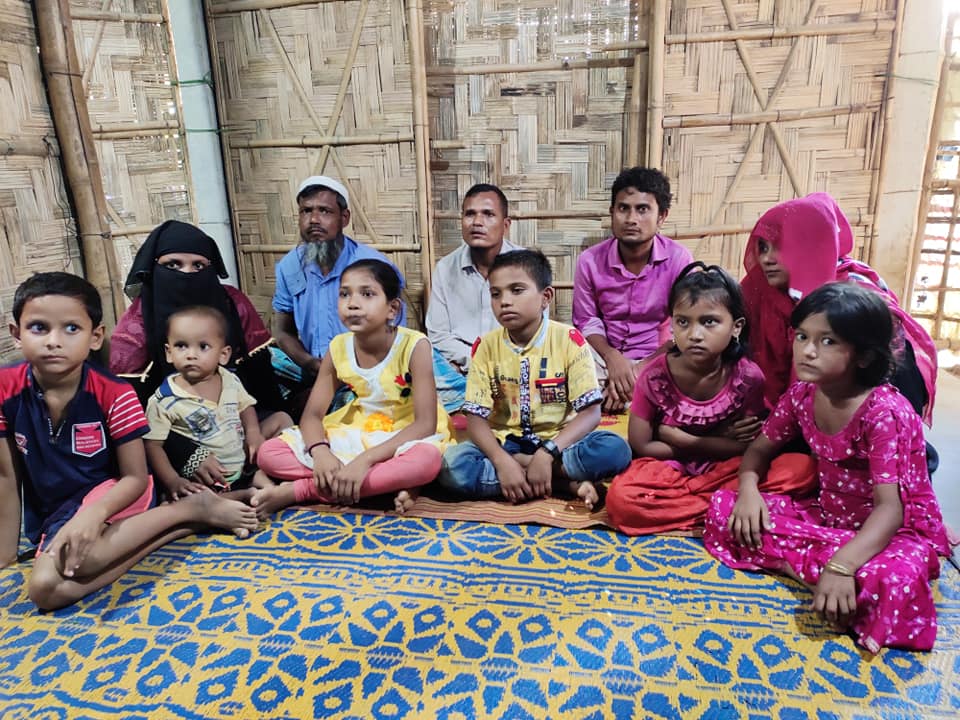
Rohinga Response and Host Community Assessments
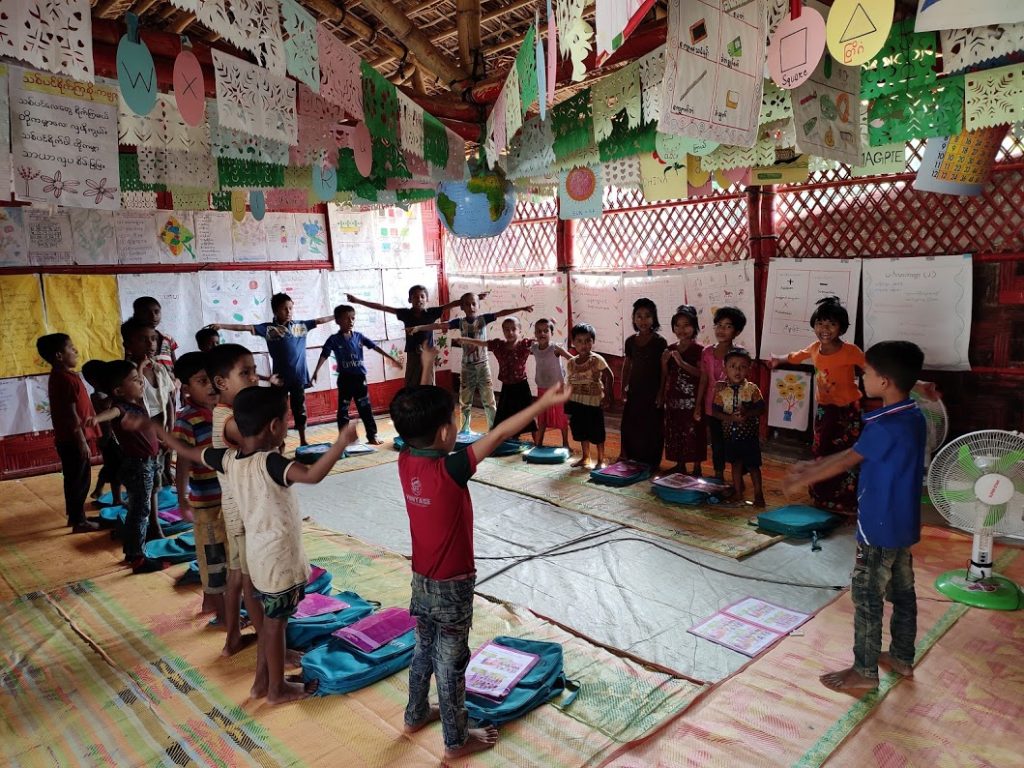
Project Title: Host Community & Rohingya-Affected Area Socio-Economic Assessment
Client: UNHCR | Research Partner – Trident Research
Year: 2017–2021
Study Type: Multi-Year Baseline & Monitoring Assessments
Study Design & Methodology:
- Quantitative household survey using CAPI: 2,000 interviews per year
- Focus Group Discussions (FGDs) with host community members: 36 FGDs
- In-Depth Interviews (IDIs): 72 IDIs
- Key Informant Interviews (KIIs) with local government, NGOs, and humanitarian actors: 25 KIIs
Sample & Coverage:
- Repeated annual household surveys conducted in Cox’s Bazar district
- Coverage focused on Rohingya host communities in climate-vulnerable and humanitarian-affected areas
Climate Vulnerability and Shock-Responsive Social Protection
Project Title: Climate Vulnerability and Community Resilience Assessment
Client: European Climate Foundation (ECF)
Year: 2021
Study Design & Methodology:
- Quantitative household survey using CAPI
- Climate risk and shock exposure modules
- Assessment of household coping strategies and resilience mechanisms
- Key Informant Interviews (KIIs): 47 with local government officials, community leaders, and civil society actors
Sample & Coverage:
- Quantitative Survey Sample Size: 2,100 household interviews
- Geographic Coverage: 4 divisions and 16 districts of Bangladesh
- Focus on climate-vulnerable communities, including flood-prone, cyclone-affected, and climate-stressed areas
- Inclusion of rural and peri-urban households
Key Focus Areas:
- Exposure to climate-related shocks (floods, cyclones, salinity, drought)
- Impact of climate risks on livelihoods and household welfare
- Access to government support, social protection, and climate adaptation initiatives
- Community-level resilience and preparedness mechanisms
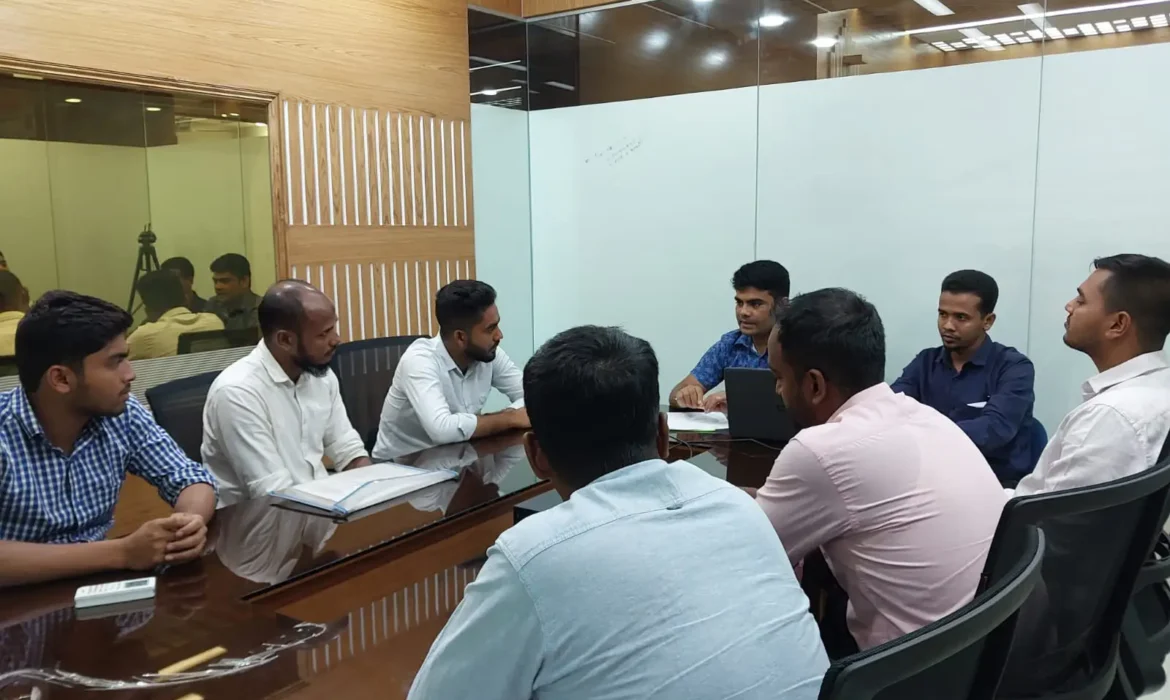
Governance, public perception for upcoming election
Project Name: Public Perception Survey for Upcoming Elections
Client: International Research Organization | Rosan International
Year: 2025
Study Type: National Household Survey
Study Design & Sample:
- Total Sample Size: 39,600 household interviews
- Primary Sampling Units: 1,320 PSUs
- Interviews per PSU: 30 households per PSU
Methodology:
- Nationally representative quantitative household survey using CAPI
- Perception, trust, and satisfaction measurement modules related to governance and public services
Geographic Coverage: Nationwide coverage across all 8 divisions and 64 districts of Bangladesh
Migration, Returnees, and Reintegration
Project Title: Return Migrant Workers (RMW) Baseline and Reintegration Assessment
Client: Research Partner – Rosan International & Gallup Inc.
Year: 2025
Study Type: Baseline Assessment
Study Design & Methodology:
- Large-scale quantitative household survey using CAPI
- Random household listing conducted to identify return migrant workers at PSU level
- Key Informant Interviews (KIIs) with local community leaders to validate migration trends and reintegration conditions
Sample & Coverage:
- Household Listing: 25,000 households across 250 PSUs (random listing within selected PSUs)
- Identified Return Migrant Workers: 1986 returnees who returned within the last 5 years from the 11 Arab countries.
- KIIs: 6 short KIIs per PSU (total 1500 KIIs) with local community leaders to gather contextual information on RMW prevalence and reintegration dynamics
Geographic Coverage: Nationwide coverage across all 8 divisions and 64 districts, with emphasis on high migration-prevalence areas, covering rural, urban, and peri-urban settings
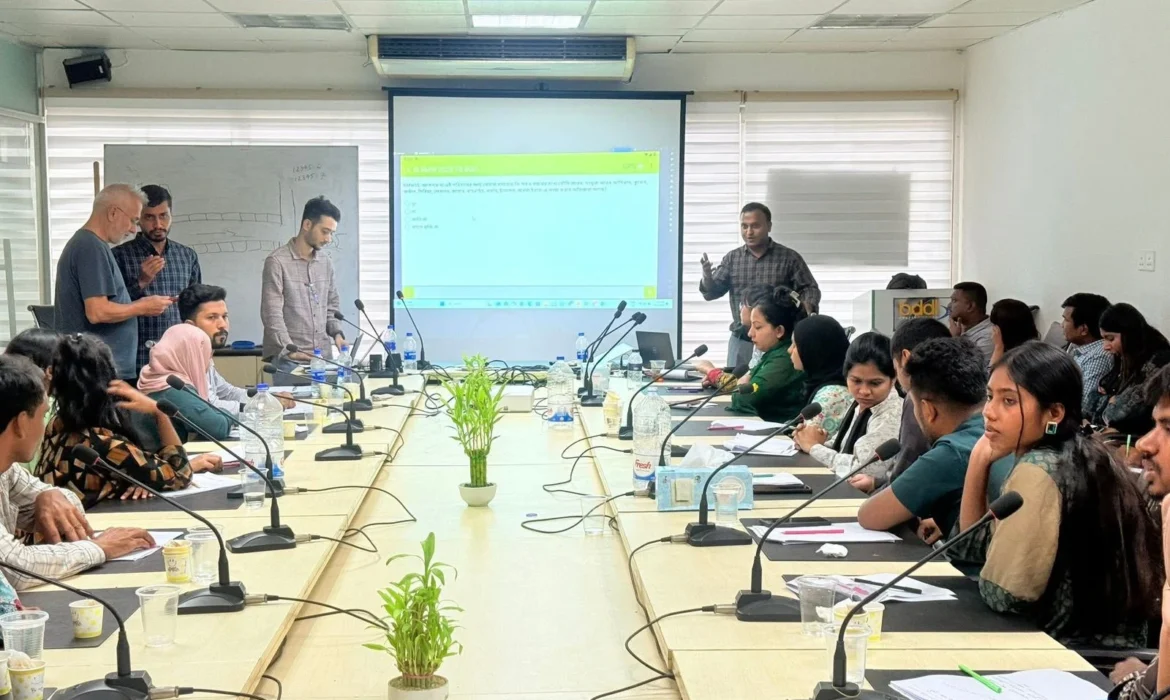
Return Migrant Workers (RMW)
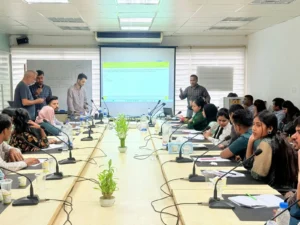
Study Design & Methodology:
- Large-scale quantitative household survey using CAPI
- Random household listing conducted to identify return migrant workers at PSU level
- Key Informant Interviews (KIIs) with local community leaders to validate migration trends and reintegration conditions
Sample & Coverage:
- Household Listing: 25,000 households across 250 PSUs (random listing within selected PSUs)
- Identified Return Migrant Workers: 1986 returnees who returned within the last 5 years from the 11 Arab countries.
- KIIs: 6 short KIIs per PSU (total 1500 KIIs) with local community leaders to gather contextual information on RMW prevalence and reintegration dynamics
Geographic Coverage: Nationwide coverage across all 8 divisions and 64 districts, with emphasis on high migration-prevalence areas, covering rural, urban, and peri-urban settings
Rohingya Response and Host Community Assessments
Project Title: Host Community & Rohingya-Affected Area Socio-Economic Assessment
Client: UNHCR | Research Partner – Trident Research
Year: 2017–2021
Study Type: Multi-Year Baseline & Monitoring Assessments
Study Design & Methodology:
- Quantitative household survey using CAPI: 2,000 interviews per year
- Focus Group Discussions (FGDs) with host community members: 36 FGDs
- In-Depth Interviews (IDIs): 72 IDIs
- Key Informant Interviews (KIIs) with local government, NGOs, and humanitarian actors: 25 KIIs
Sample & Coverage:
- Repeated annual household surveys conducted in Cox’s Bazar district
- Coverage focused on Rohingya host communities in climate-vulnerable and humanitarian-affected areas